
Follow Me On Pinterest!


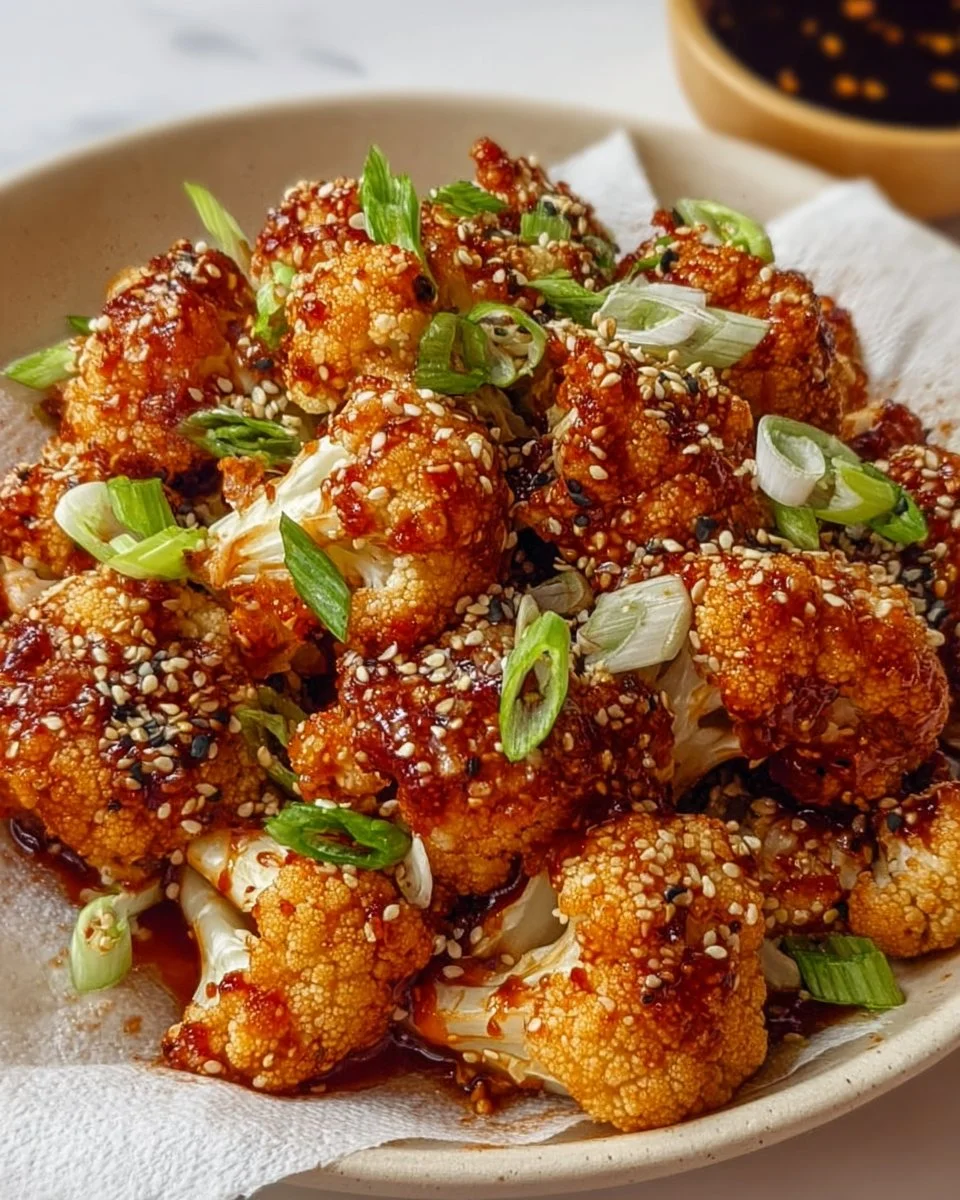
The aroma of roasting vegetables mingled with the unmistakable scent of spicy gochujang wafts through the kitchen, and it brings back fond memories of bustling family dinners filled with laughter and hearty food. Korean Baked Cauliflower is one of those wonderful recipes that unite the rich flavors of Korean cuisine with the delightful crunch of freshly roasted cauliflower. It’s never just a side dish; it’s the unexpected star—full of flavor and packed with texture that can frankly stand up on its own.
Imagine gathering around the table, each bite delivering a perfect balance of sweetness from honey, heat from gochujang, and an umami punch from soy sauce. This dish is simple enough for busy weeknights but elegant enough to impress friends at a dinner party. It fits every occasion—like a reliable friend who’s always got your back.
What makes this recipe special
The beauty of this Korean Baked Cauliflower lies not only in its captivating flavors but also in its versatility. It’s plant-based, catering to both vegans and vegetarians, while holding its own at the center of the table. The combination of gochujang and sesame oil creates a lovely fusion that enhances the natural sweetness of the cauliflower, transforming a humble vegetable into something a lot more thrilling. Furthermore, it packs a decent amount of vitamins and minerals, making it a nutritious choice—because who says we can’t indulge in flavors without sacrificing health?
Gather these ingredients
Before we start cooking, let’s gather the essential ingredients:
- Cauliflower: One large head, cut into florets. Look for firm, white cauliflower without any dark spots. If you want to mix it up a bit, try using romanesco or even broccoli.
- Olive oil: Two tablespoons will help crisp the florets while roasting. Feel free to substitute with avocado oil if you’re looking for something with a higher smoke point.
- Salt and black pepper: Half a teaspoon each to season the cauliflower before roasting. These fundamentals enhance natural flavors—don’t skip them.
- Sauce ingredients:
- Two tablespoons of gochujang. This fermented chili paste adds depth and a kick of spice you’ll love.
- Two tablespoons of soy sauce bring that umami flavor to life.
- One tablespoon of sesame oil rounds out the sauce with its nutty aroma.
- One tablespoon of honey or maple syrup adds the necessary sweetness. Go dark with maple if you want a richer flavor.
- A teaspoon of rice vinegar gives a pleasant acidity to balance the dish.
- Two minced garlic cloves and a teaspoon of freshly grated ginger add aromatic complexity. If you’re in a hurry, garlic powder works but fresh is better.
- For garnish: A teaspoon of toasted sesame seeds and two sliced green onions, which not only add visual appeal but also texture and flavor. Don’t skip this finishing touch—it makes a world of difference.
How I make this at home
Let’s get down to the cooking. Here’s how we can bring those ingredients together perfectly:
- Preheat your oven to 400°F (200°C). This step is non-negotiable; a hot oven is your best friend for achieving that lovely caramelization.
- Toss the cauliflower florets with the olive oil, salt, and black pepper in a large bowl until they’re well coated. Think of it as giving each floret a nice little hug.
- Spread the florets on a baking sheet in a single layer. Make sure not to overcrowd them; we want them to roast, not steam.
- Roast in the oven for 25 to 30 minutes, flipping halfway through for even browning. You’re looking for tender interiors and crispy, golden edges—pure deliciousness.
- While the cauliflower roasts, whisk together the gochujang, soy sauce, sesame oil, honey, rice vinegar, garlic, and ginger in a small bowl until smooth. If you prefer a thicker sauce, simmer it in a small saucepan over medium heat for 3 to 5 minutes until slightly thickened. This is the kind of detail that elevates the dish.
- Once the cauliflower is out, drizzle or toss it with the sauce to coat evenly. If you’re feeling adventurous, pop it back in the oven for an additional 5 minutes to get an even more caramelized coating.
- Garnish with toasted sesame seeds and sliced green onions before serving—you deserve this beautiful finish.
Best way to enjoy it
This dish has so much versatility. Serve it hot as a side with grilled meats or fish; it pairs nicely with rice or noodles to soak up the sauce. You can also enjoy it as a standout main—just add a simple salad drizzled with sesame dressing for a refreshing touch. A sprinkle of crushed nuts or seeds can add even more crunch if you’re inclined.
How to store and freeze
If you have leftovers, it’s easy to keep them fresh. Transfer any uneaten Korean Baked Cauliflower to an airtight container and refrigerate for up to three days. You can also freeze it for up to a month, just make sure it’s cooled down first to maintain that lovely texture.
To reheat, pop it in the oven covered at a low temperature, or microwave gently, adding a splash of broth or water if needed to keep everything from drying out.
Helpful cooking tips
- Don’t skip the roasting step. The high heat brings out the cauliflower’s natural sweetness and creates those irresistible crispy edges.
- Feel free to adjust the spiciness of the gochujang to suit your palate; if you’re unsure, start with less and taste as you go.
- For an extra layer of flavor, try adding a splash of lime juice before serving—this brightens everything up.
Creative twists
If you’re in the mood to experiment, here are some ideas to make this dish your own:
- Add Some Heat: Stir in some chopped fresh chili or a sprinkle of chili flakes for a spicier kick.
- Different Vegetables: Try combining the cauliflower with broccoli, Brussels sprouts, or even sweet potatoes for a medley of flavors and colors.
- Vegan Version: Swap honey for agave and serve over quinoa or brown rice to keep it all plant-based while staying satisfying.
Ingredients
- 1 large head cauliflower, cut into florets
- 2 tablespoons olive oil
- 1/2 teaspoon salt
- 1/2 teaspoon black pepper
- 2 tablespoons gochujang
- 2 tablespoons soy sauce
- 1 tablespoon sesame oil
- 1 tablespoon honey or maple syrup
- 1 teaspoon rice vinegar
- 2 garlic cloves, minced
- 1 teaspoon fresh ginger, grated
- 1 teaspoon toasted sesame seeds (for garnish)
- 2 green onions, sliced (for garnish)
Directions to follow
- Preheat oven to 400°F (200°C).
- Toss cauliflower florets with olive oil, salt, and pepper; spread on a baking sheet in a single layer.
- Roast for 25–30 minutes, flipping halfway, until golden brown and crispy at the edges.
- In a small bowl, whisk together gochujang, soy sauce, sesame oil, honey, rice vinegar, garlic, and ginger until smooth.
- (Optional) For a thicker sauce, simmer in a small saucepan over medium heat for 3–5 minutes until slightly thickened.
- Remove cauliflower from oven, drizzle or toss with sauce to coat; return to oven for an additional 5 minutes for more caramelization.
- Garnish with sesame seeds and green onions before serving.
Your questions answered
- Can I use other vegetables? Absolutely! Broccoli, Brussels sprouts, or carrots would all work wonderfully here.
- What if I can’t find gochujang? You could use a mixture of miso paste and some cayenne pepper for a similar flavor profile.
- Is this gluten-free? Yes, as long as you use gluten-free soy sauce, it’s all good!
- How long can I store leftovers? In an airtight container, it will last for about three days in the fridge and freeze well for a month.
- Can I double the recipe? Of course! Just be cautious about oven space and use a larger baking sheet or multiple ones.
Cooking is about more than just the act of preparing food; it’s about creating experiences and memories that linger well beyond the plate. This Korean Baked Cauliflower invites you to embrace the warmer notes of home-cooked comfort food while leaning into the vibrant flavors of Korean cuisine. Give it a try, and don’t hesitate to let your creativity shine through your variations. Share your experiences or little tweaks you’ve made—I’d love to hear your story. Let’s keep sharing the love of cooking one recipe at a time.
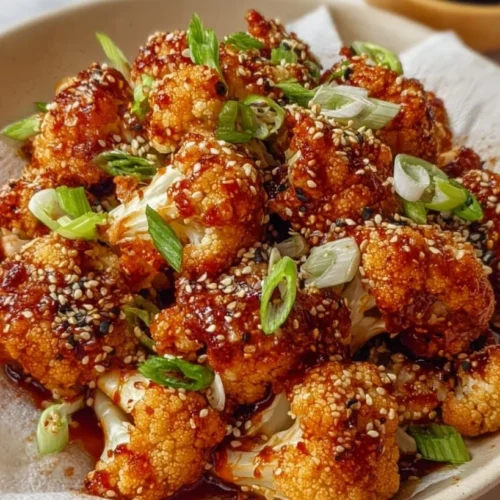
Korean Baked Cauliflower
A delicious and versatile dish that features roasted cauliflower coated in a flavorful gochujang sauce, perfect for any occasion.
Ingredients
Main Ingredients
- 1 large head cauliflower, cut into florets Ensure the cauliflower is firm and white.
- 2 tablespoons olive oil Can substitute with avocado oil.
- 1/2 teaspoon salt Enhances natural flavors.
- 1/2 teaspoon black pepper Enhances natural flavors.
Sauce Ingredients
- 2 tablespoons gochujang Fermented chili paste for spice.
- 2 tablespoons soy sauce Adds umami flavor.
- 1 tablespoon sesame oil Adds a lovely nutty aroma.
- 1 tablespoon honey or maple syrup Use dark maple syrup for richer flavor.
- 1 teaspoon rice vinegar Provides pleasant acidity.
- 2 cloves garlic, minced Fresh is better, but garlic powder can be used.
- 1 teaspoon fresh ginger, grated Adds aromatic complexity.
For Garnish
- 1 teaspoon toasted sesame seeds Adds visual appeal.
- 2 slices green onions Additional garnish for flavor.
Instructions
Preparation
- Preheat your oven to 400°F (200°C).
- Toss the cauliflower florets with the olive oil, salt, and black pepper in a large bowl until evenly coated.
- Spread the florets on a baking sheet in a single layer.
Roasting
- Roast in the oven for 25 to 30 minutes, flipping halfway through.
Sauce Preparation
- While the cauliflower roasts, whisk together the gochujang, soy sauce, sesame oil, honey, rice vinegar, garlic, and ginger in a small bowl until smooth.
- Optionally, simmer the sauce in a small saucepan over medium heat for 3 to 5 minutes until slightly thickened.
Final Assembly
- Once the cauliflower is ready, drizzle or toss it with the sauce to coat evenly.
- Garnish with toasted sesame seeds and sliced green onions before serving.
Notes
Store leftovers in an airtight container for up to three days in the fridge or freeze for up to a month. Reheat gently.