
Follow Me On Pinterest!


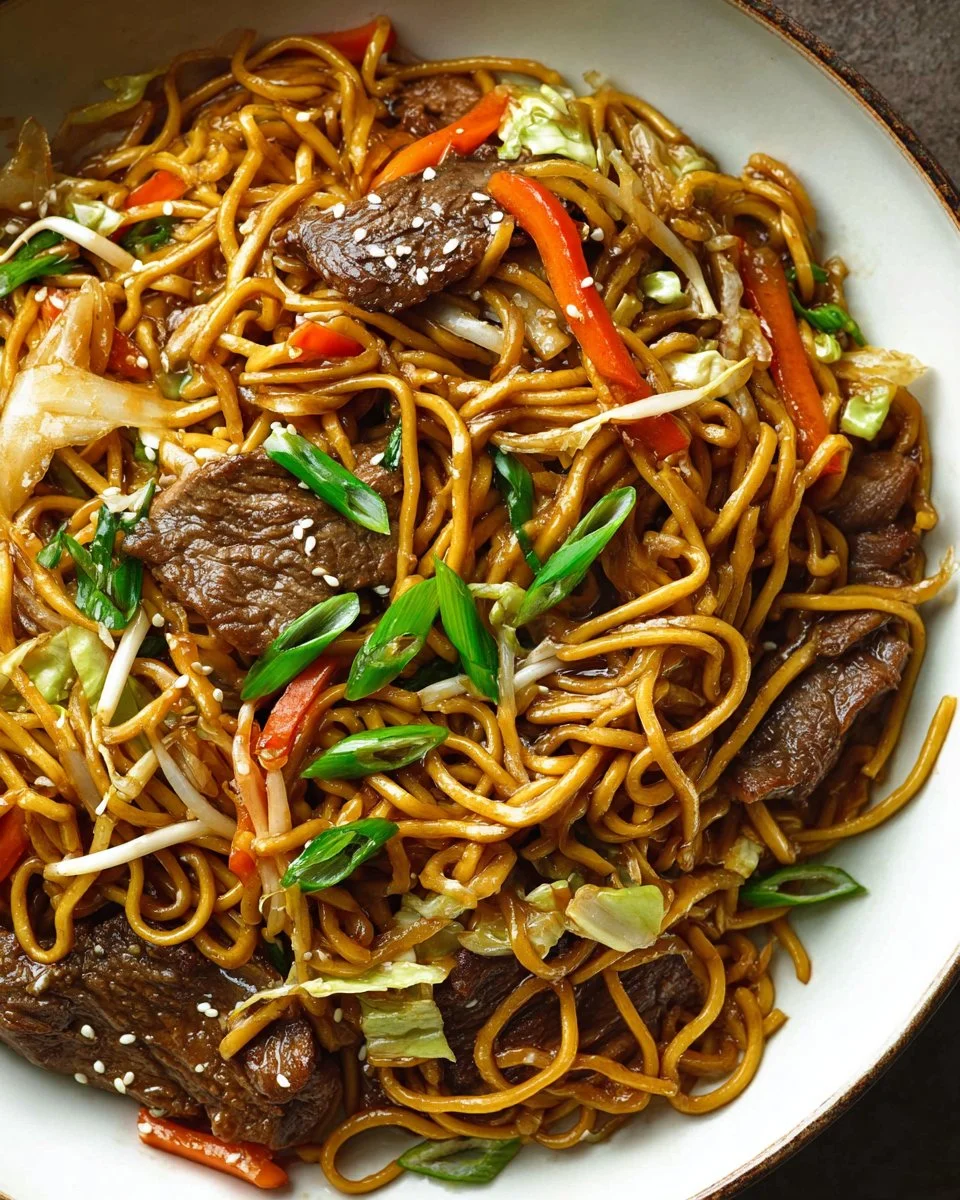
Picture this: you walk into the kitchen after a long day, and the enticing aroma of savory stir-fried beef and vegetables dances around you. That’s the kind of welcome you get from a good Beef Chow Mein. This dish has been a staple in my household for years, not just for its unbeatable flavor but for its flexibility—it’s a fantastic way to use up whatever veggies are lingering in the fridge. Every bite brings back memories of bustling takeout nights with friends, all while being revitalized by the simple joy of cooking at home.
Over the years, my version of Beef Chow Mein has evolved. It’s a combination of quick weeknight cooking and the comforting familiarity of a beloved Korean restaurant dish. The truth is, while it takes a bit of effort—everything rewarding does—it’s worth every minute when you see your loved ones gather around the table, bowls in hand, ready to dig into this colorful masterpiece. Let’s bring the kitchen to life with some sizzling action, shall we?
Why you’ll love this recipe
Why is this Beef Chow Mein going to become a fixture in your meal rotation? For starters, the tender flank steak practically melts in your mouth after marinating in a blend of soy sauce and sesame oil, providing a rich umami base that your taste buds will cheer for. The interplay between the crispy cabbage, crunchy bean sprouts, and the chewy chow mein noodles creates a delightful texture that keeps each bite exciting.
And let’s not forget the sauce—oh, the sauce! The harmony of oyster sauce, ginger, and a touch of brown sugar brings a depth that elevates the dish beyond just another noodle stir-fry. Plus, you can adapt this dish to your pantry—throw in whatever vegetables you have on hand, turning it into a clean-out-the-fridge meal that still feels special. Because who doesn’t love a dish that’s comforting yet adaptable?
Gather these ingredients
Let’s roll up our sleeves and see what you’ll need:
- 1 pound thinly sliced flank steak: This cut is perfect for a quick cook, tenderizing beautifully in that marinade. It’s packed with flavor, but if you can’t find it, sirloin or even chicken will work in a pinch.
- ¼ teaspoon baking soda: A little secret to make the beef extra tender. It’s practically transformative, so don’t skip it.
- 2 tablespoons soy sauce: This adds a savory depth; use low-sodium to keep it balanced.
- ¼ cup low-sodium soy sauce: For the overall marinade and extra flavor, it’s a key player here.
- ¼ cup beef broth: Helps to create that rich sauce we all crave—homemade is ideal if you have it.
- 2 teaspoons sesame oil: Adds a beautiful nuttiness, complementing the beef wonderfully; it’s essential.
- 2 tablespoons oyster sauce: This ingredient is where the umami really shines, adding that unmistakable restaurant-quality taste.
- 2 teaspoons freshly grated ginger (or ginger paste): A hint of warmth and freshness that cuts through the richness of the sauce. If you use paste, check for quality—it makes a difference.
- 2 tablespoons light brown sugar: A touch of sweetness balances the savory and adds depth to the flavors.
- 1 tablespoon cornstarch: This will help thicken your sauce and give it that glossy finish—don’t worry, it plays nicely.
- 6 ounces dry chow mein noodles: As the star of the show, they’ll soak up all that delicious sauce. Choose egg noodles if those are easier to find.
- 1 tablespoon vegetable oil: For stir-frying—neutrals work best here, keeping the flavors of the dish front and center.
- 2 cloves minced garlic: Because there’s no such thing as too much garlic in a stir-fry, right?
- 2 cups coleslaw mix (cabbage and carrot mixture): It adds great crunch with minimal effort—just toss it in!
- 1 cup bean sprouts (rinsed and strained): These give a fresh, crunchy texture. If you’re feeling fancy, swap in some snow peas or snap peas.
- 2 stalks chopped green onions: These are great for garnishing, both adding color and a mild onion flavor.
How I make this at home
Ready to dive in? Here’s how it all comes together:
- Start with the beef. In a bowl, mix the thinly sliced flank steak with baking soda, 2 tablespoons of soy sauce, sesame oil, and the ginger. Let it marinate for about 15 minutes; this is key for tenderness.
- Meanwhile, cook the chow mein noodles according to package instructions, then drain and set aside. Trust me, they’ll be worth the wait.
- In a small bowl, whisk together the low-sodium soy sauce, beef broth, oyster sauce, brown sugar, and cornstarch to form the sauce. Set this mixture aside—this is going to bring it all together.
- Heat the vegetable oil in a large skillet or wok over medium-high heat. Once it’s hot, toss in the marinated beef, searing it until just browned. You’re looking for that beautiful caramelization, so don’t overcrowd the pan.
- Once the beef is browned, add in the minced garlic and coleslaw mix. Stir-fry for another 2-3 minutes, just until the cabbage starts to soften but still has a bite to it.
- Pour in the prepared sauce, followed by the cooked chow mein noodles and bean sprouts. Toss everything together gently, ensuring that each noodle and veggie is coated in that luscious sauce—about 2 to 3 minutes should do.
- Finally, sprinkle with green onions and give it one last toss. Serve immediately, admiring that glossy finish before diving in.
Best way to enjoy it
When it comes to serving this Beef Chow Mein, simplicity is key. I like to plate it in deep bowls, making sure to have a harmonious mix of beef, noodles, and vibrant veggies in each serving. A drizzle of extra soy sauce or a splash of chili oil can elevate those flavors if you’re feeling adventurous. Pair it with a light cucumber salad or a bowl of miso soup to cut through the richness and balance the meal. That’s comfort food at its finest.
How to store and freeze
Should you find yourself with leftovers—lucky you—let’s talk storage. This dish holds up well in an airtight container in the fridge for about 2-3 days. If you want to freeze it, make sure it’s cooled completely first, then transfer it to freezer-safe containers. Properly stored, it can last for about a month. When you’re ready to reheat, just pop it in the microwave or on the stove with a splash of water or broth to bring it back to life.
Helpful cooking tips
Before you start, here are some tips to ensure your Beef Chow Mein turns out fabulously:
- Marinate the beef at least 15 minutes, but if you can manage an hour, even better—it makes a noticeable difference.
- Prep all your ingredients before starting to cook. Stir-frying happens quickly, and having everything at the ready will prevent any frantic running around.
- Don’t skip the high-heat cooking; this gives the beef a nice char and the noodles that slightly crispy texture, which is all part of the experience.
Creative twists
Want to give your Beef Chow Mein a personal spin? Here are a few ideas:
- Vegetable swap: Use bell peppers, broccoli, or snap peas instead of the coleslaw mix for added color and variety.
- Protein alternatives: Feel free to switch stiff flank steak for shrimp, chicken, or even tofu for a vegetarian take.
- Spicy option: Add some sriracha or fresh chili slices to heat things up—they make a world of difference.
Ingredients
- 1 pound thinly sliced flank steak
- ¼ teaspoon baking soda
- 2 tablespoons soy sauce
- ¼ cup low-sodium soy sauce
- ¼ cup beef broth
- 2 teaspoons sesame oil
- 2 tablespoons oyster sauce
- 2 teaspoons freshly grated ginger (or ginger paste)
- 2 tablespoons light brown sugar
- 1 tablespoon cornstarch
- 6 ounces dry chow mein noodles
- 1 tablespoon vegetable oil
- 2 cloves minced garlic
- 2 cups coleslaw mix (cabbage and carrot mixture)
- 1 cup bean sprouts (rinsed and strained)
- 2 stalks chopped green onions
Directions to follow
- Marinate the sliced flank steak with baking soda, 2 tablespoons soy sauce, sesame oil, and ginger for 15 minutes.
- Cook chow mein noodles according to package instructions, then set aside.
- Whisk together low-sodium soy sauce, beef broth, oyster sauce, brown sugar, and cornstarch in a bowl.
- Heat vegetable oil in a skillet and sear the marinated beef until browned. Remove from skillet.
- Add minced garlic and coleslaw mix to the skillet, stir-frying until cabbage softens.
- Pour in the prepared sauce, then add cooked noodles and bean sprouts, tossing everything together.
- Serve hot, garnished with chopped green onions.
Your questions answered
- Can I use a different noodle? Yes, you can use egg noodles or substitute with rice noodles if you prefer.
- What if I don’t have flank steak? Sirloin, skirt steak, or even chicken can work well—just adjust cooking time accordingly.
- Is this recipe gluten-free? You can make it gluten-free by using gluten-free soy sauce and noodles.
- How spicy can I make this? Add sriracha, chili flakes, or your favorite hot sauce to amp it up.
- Can I make this vegetarian? Swap the beef for tofu or edamame, and you’ve got a delightful vegetarian option.
Cooking is about sharing not just food, but experiences too. This Beef Chow Mein isn’t just a dish; it’s a way to create joyful moments around the table. I invite you to try it out, make it your own, and share your thoughts. Let’s continue exploring new flavors and bringing friends and family together, one plate at a time.
Beef Chow Mein
This Beef Chow Mein features tender flank steak and vibrant vegetables stir-fried to perfection, creating a comforting yet adaptable dish that’s easy to make at home.
Ingredients
Beef and Marinade
- 1 pound thinly sliced flank steak Sirloin or chicken can be substituted.
- ¼ teaspoon baking soda Helps to tenderize the beef.
- 2 tablespoons soy sauce Use low-sodium for a balanced flavor.
- 2 teaspoons sesame oil Essential for flavor.
- 2 teaspoons freshly grated ginger or ginger paste Adds warmth and freshness.
Sauce Ingredients
- ¼ cup low-sodium soy sauce
- ¼ cup beef broth Homemade is ideal.
- 2 tablespoons oyster sauce Provides umami flavor.
- 2 tablespoons light brown sugar Balances savory flavors.
- 1 tablespoon cornstarch Thickens the sauce.
Noodles and Vegetables
- 6 ounces dry chow mein noodles Can substitute with egg noodles.
- 1 tablespoon vegetable oil For stir-frying.
- 2 cloves minced garlic
- 2 cups coleslaw mix (cabbage and carrot mixture) Adds crunch with minimal effort.
- 1 cup bean sprouts Rinsed and strained.
- 2 stalks chopped green onions For garnish.
Instructions
Preparation
- In a bowl, mix the flank steak with baking soda, 2 tablespoons of soy sauce, sesame oil, and ginger. Let it marinate for about 15 minutes.
- Cook chow mein noodles according to package instructions, then drain and set aside.
- In a small bowl, whisk together the low-sodium soy sauce, beef broth, oyster sauce, brown sugar, and cornstarch. Set this aside.
Cooking
- Heat vegetable oil in a large skillet or wok over medium-high heat. Add the marinated beef and sear until just browned.
- Add minced garlic and coleslaw mix, stir-frying for another 2-3 minutes.
- Pour in the prepared sauce, then add cooked chow mein noodles and bean sprouts. Toss everything gently for 2-3 minutes.
Serving
- Serve hot, garnished with chopped green onions.
Notes
For an extra touch, drizzle with soy sauce or chili oil when serving. Store leftovers in airtight containers for 2-3 days in the fridge or freeze for up to a month.