
Follow Me On Pinterest!


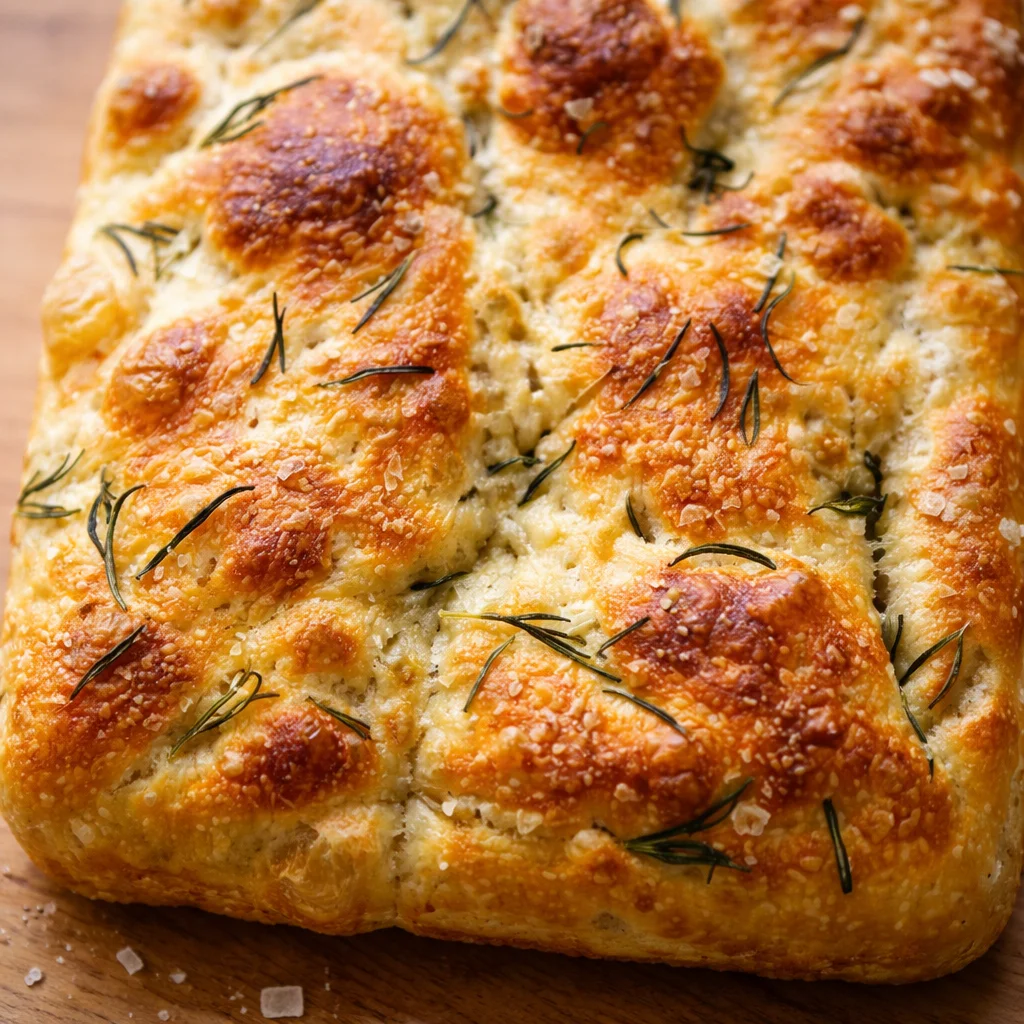
Overnight Focaccia is my go to bread for nights when I want something homemade, but I also want my future self to do most of the work. You know that feeling when you crave warm, bready comfort, but you do not want to babysit dough all day? This is that recipe. I mix it up in a bowl, tuck it in the fridge, and the next day my kitchen smells like a little bakery. It is cozy, salty, and crisp on the edges with a soft middle that practically begs for olive oil. 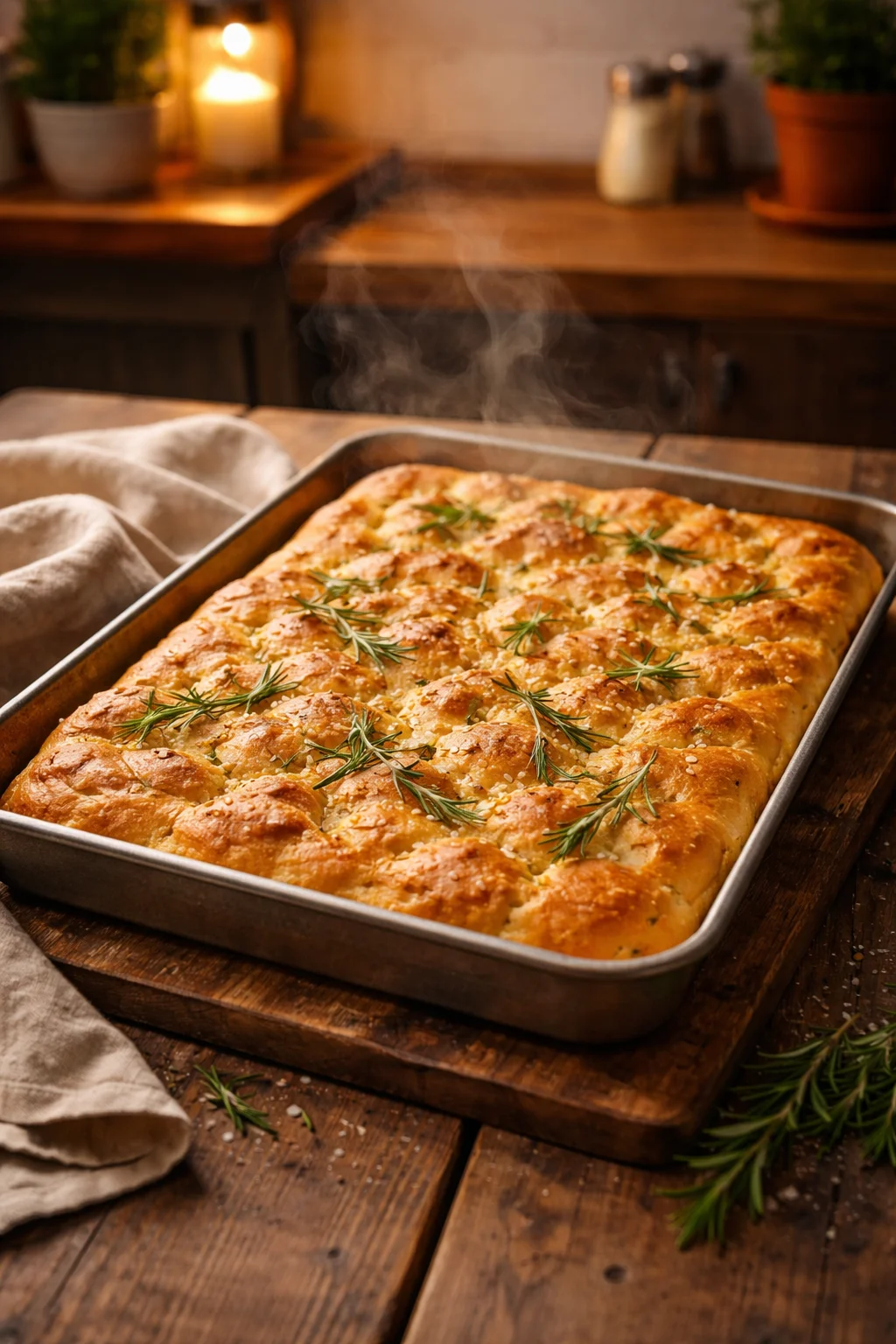
Two Secrets for the Best Focaccia
I have made a lot of focaccia over the years, including a few that turned out a bit sad and flat. The good news is that the fix is not fancy. It really comes down to two simple things that make a huge difference.
Secret 1: Give it time in the fridge
The overnight rest is the magic. When the dough sits in the fridge, it slowly develops flavor and gets those airy bubbles that make focaccia feel special. It also makes the dough easier to handle because it is chilled and less sticky. This is why Overnight Focaccia feels like a life hack instead of a project.
Secret 2: Do not be shy with olive oil and dimples
Focaccia is not the place to go light on oil. You want a generous coating in the pan and a good drizzle on top before baking. Those little finger dimples are not just cute either. They trap olive oil and toppings so every bite tastes like something. When you dimple, press your fingers down firmly until you feel the bottom of the pan.
One more thing I learned the hard way: if the top looks dry before baking, add another drizzle. A dry top bakes up dull. A properly oiled top bakes up golden and a little crackly, in the best way.
I tried this overnight method and my family ate half the pan before dinner even started. The crust was crunchy, the inside was fluffy, and it was honestly easier than I expected.
How to Make Focaccia Bread, Step by Step
Let us walk through it like we are making it together. Nothing complicated, just a few small steps at the right times. This is the part where you will feel smug tomorrow when bread basically makes itself.
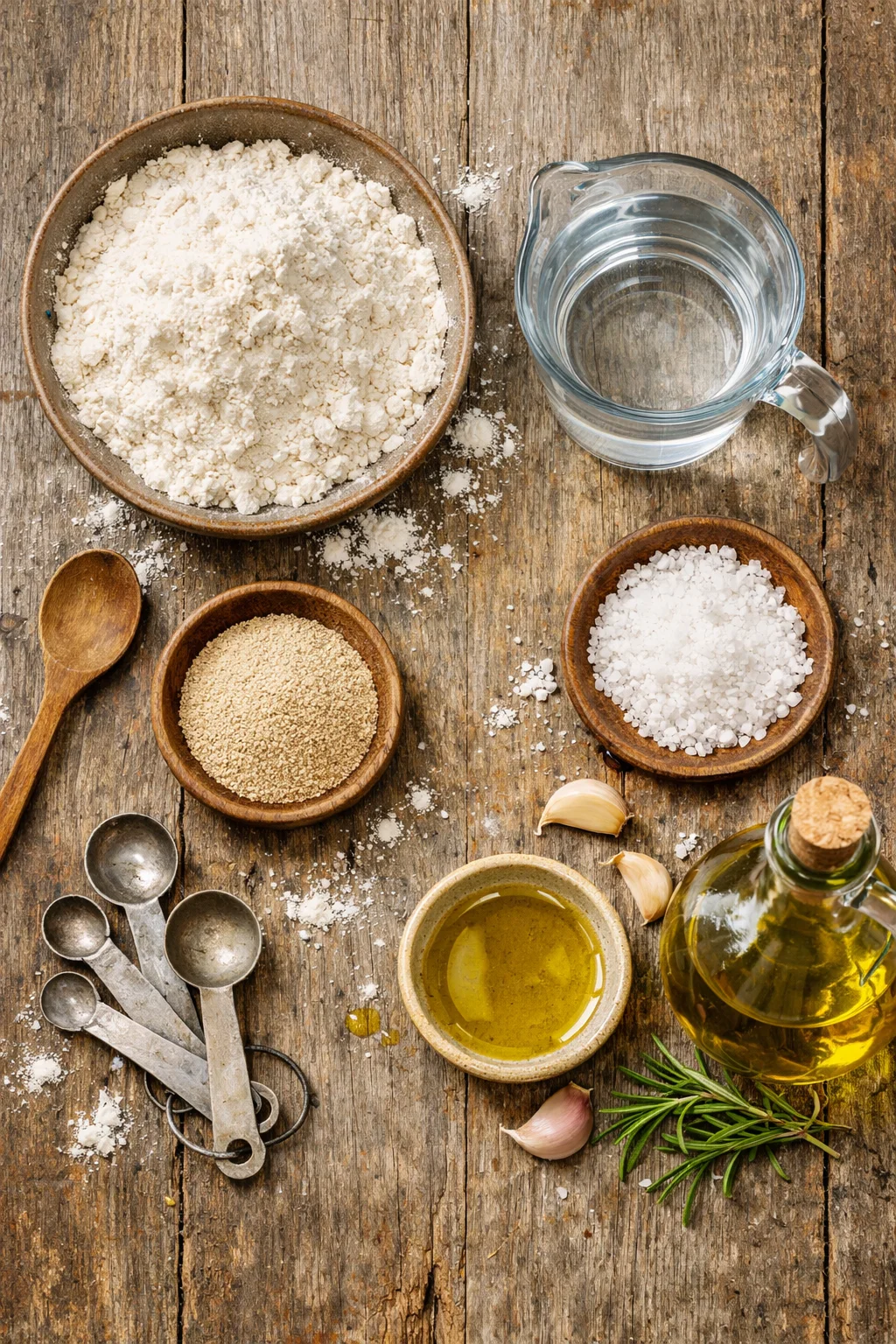
What you will need
- All purpose flour
- Warm water (not hot, just comfortably warm)
- Instant yeast or active dry yeast
- Salt
- Olive oil (use one you like the taste of)
Simple overnight method
- Mix: In a big bowl, stir flour, salt, yeast, and warm water until no dry flour remains. It will look shaggy and sticky. That is perfect.
- Oil and chill: Pour a little olive oil over the dough, turn it once or twice to coat, cover the bowl, and put it in the fridge overnight. This can be 12 to 24 hours.
- Pan it: The next day, oil a baking pan generously. Tip the dough into the pan. If it resists stretching, let it rest 15 minutes, then gently stretch again.
- Final rise: Cover and let it sit at room temp until it looks puffy, usually 1 to 2 hours depending on your kitchen.
- Dimple and top: Oil your fingers, dimple the dough all over, drizzle more olive oil, and add salt and toppings.
- Bake: Bake at 425 F until deeply golden, usually 20 to 30 minutes. If you like a darker bottom, bake on a lower rack.
- Cool a bit: Let it cool at least 10 minutes before slicing so the inside finishes setting up.
;
That is the whole flow. Once you do it once, it becomes one of those recipes you can do from memory. And yes, it counts as homemade even if you did most of it in pajamas.
How to Incorporate Rosemary, Herbs, and Other Ingredients & Toppings into Your Focaccia Dough
This is the fun part because focaccia is basically a blank canvas. You can keep it classic with rosemary and flaky salt, or you can go snacky with olives and cheese. I do both depending on my mood and what is in my fridge.
Here is how I think about it so it does not turn into topping chaos:
For herbs like rosemary: Strip the leaves and scatter them on top after dimpling. If you mix rosemary into the dough, the flavor is nice but the top is where you get that punchy aroma.
For garlic: Thinly sliced garlic can burn if it is too exposed. I like to rub the pan with a cut clove, or mix a little garlic into olive oil and drizzle it. If you do add slices, push them slightly into the dimples so they are protected.
For cheese: Add it near the end of baking if you want it melty but not too dark, or mix a small handful into the dough if you want little pockets.
For tomatoes and watery toppings: Pat them dry first. Too much moisture can make the top soggy, especially if you pile it on.
For olives, onions, or peppers: Press them into the dimples so they do not roll off when you slice.
If you are new to this, start with rosemary and flaky salt. That combo makes people think you bought your bread somewhere fancy. Also, it pairs with everything from soup to scrambled eggs.
Special Focaccia Ingredient Notes
I am not going to tell you to buy a bunch of rare stuff. But a few ingredient details really matter with focaccia, and they can save you from a disappointing pan.
Flour: All purpose flour works great. Bread flour can make it a bit chewier, which some people love. If you only have all purpose, do not overthink it. I use it most of the time.
Yeast: Instant yeast is easy because you can mix it right in. Active dry works too. If you are unsure your yeast is fresh, dissolve it in warm water first and look for a little foam after 5 to 10 minutes.
Salt: Do not skip it. Focaccia needs salt for flavor, and the top sprinkle is part of the experience. If you have flaky salt, use it. If not, regular salt is fine, just go a little lighter on top.
Olive oil: This is a big one. Since you actually taste the oil, choose one you like. It does not have to be expensive, just not bitter or stale. And remember, a generous amount helps the crust fry a tiny bit against the pan, which gives you that golden edge.
Water temperature: Warm, not hot. If it feels like bath water, you are good. Hot water can mess with the yeast, and then you are stuck wondering why nothing puffed up.
Once you make Overnight Focaccia a couple times, you will notice how forgiving it is. It is not like a fussy cake recipe where one wrong move ruins everything. The dough just needs time, oil, and a hot oven.
Practical Tips & Recipe Notes
This is the section I wish someone had handed me back when I was learning. These are the little things that keep your focaccia from sticking, drying out, or baking unevenly.
Use a pan with edges: A rimmed sheet pan or metal baking pan is ideal. Glass can work, but the bottom may not get as crisp.
Do not fight the dough: If it shrinks back when you stretch it into the pan, let it rest. Ten to fifteen minutes can make it relax so you can stretch it without tearing.
Watch the rise, not the clock: If your kitchen is cool, it may need longer than you think. You want it puffy and jiggly when you nudge the pan.
Prevent sticking: Oil the pan well. Like, really well. If you are nervous, you can also add a piece of parchment, then oil the parchment.
Get that golden top: If your oven runs cool, bake a few minutes longer. Pale focaccia tastes fine, but golden focaccia tastes amazing.
Storage: Keep leftovers in a sealed container at room temp for a day or two. Rewarm in the oven to bring the crust back. The microwave makes it soft, which is not my favorite, but it works in a pinch.
When I make Overnight Focaccia, I usually double it if we are having friends over. People hover around the cutting board, stealing pieces and asking what bakery it came from. It is always a nice little moment, especially because you and I know it was mostly fridge time doing the work.
Common Questions
Q: Can I leave the dough in the fridge longer than overnight?
A: Yes. I have done 24 hours plenty of times. After that it can still work, but the dough may get extra bubbly and a bit harder to stretch, so plan on a longer room temp rest.
Q: My dough looks very wet and sticky. Did I mess up?
A: Probably not. Focaccia dough is supposed to be sticky. Just use olive oil on your hands when you handle it and it will feel much easier.
Q: Can I use dried rosemary instead of fresh?
A: You can. Use less since dried herbs are stronger. If you have time, rub the dried rosemary between your fingers to wake up the aroma.
Q: Why did my focaccia not get many bubbles?
A: Usually it needs more rise time at room temp, or your yeast was old. Also make sure you did not press all the air out when you stretched it into the pan. Gentle is the move.
Q: How do I reheat it so it stays crispy?
A: A hot oven for 5 to 8 minutes is best. If you have a toaster oven, even better for a slice or two.
A cozy loaf that does the work for you
If you want a bread recipe that fits into real life, Overnight Focaccia is it. Mix the dough, let the fridge handle the slow part, then dimple, top, and bake when you are ready. Keep olive oil generous, do not rush the final rise, and you will get that crisp edge and soft center everyone loves. If you want to compare methods, I also really like reading The Best, Easiest Focaccia Bread Recipe – Alexandra’s Kitchen because it is a solid reference when you are dialing in your timing. Now go plan tomorrow you will be so happy you did.
Focaccia Bread
This Overnight Focaccia recipe offers a simple method to create a cozy, salty, and crispy bread with a soft middle, ideal for those who want homemade goodness without the fuss of constant supervision.
Ingredients
Dough Ingredients
- 4 cups All purpose flour Bread flour can be used for a chewier texture.
- 1.5 cups Warm water Water temperature should be comfortably warm, not hot.
- 2 teaspoons Instant yeast Active dry yeast can also be used.
- 2 teaspoons Salt Flaky salt recommended for top sprinkling.
- 1/4 cup Olive oil Use a high-quality oil you enjoy the taste of.
Toppings
- to taste Rosemary Can be sprinkled on top after dimpling.
- to taste Flaky salt For sprinkling on top before baking.
- to taste Olive oil Drizzle on top before baking.
Instructions
Preparation
- In a big bowl, stir together flour, salt, yeast, and warm water until no dry flour remains. The dough will look shaggy and sticky.
- Pour a little olive oil over the dough, turn it to coat, cover the bowl, and place it in the fridge overnight (12 to 24 hours).
Baking
- The next day, generously oil a baking pan.
- Tip the dough into the pan. If it resists stretching, let it rest for 15 minutes, then gently stretch again.
- Cover the pan and let the dough sit at room temperature until puffy, usually 1 to 2 hours.
- Oil your fingers, dimple the dough all over, drizzle more olive oil, and add salt and any additional toppings.
- Bake at 425°F (220°C) for 20 to 30 minutes until deeply golden.
- Let it cool for at least 10 minutes before slicing.
Notes
Keep leftover focaccia in a sealed container at room temperature for 1-2 days. Rewarm in the oven to restore the crust.